Simple Ways to Use Less Water and Pay Less
Practical ways to cut water use at home, from fixing leaks to smarter washing and gardening habits, so you can lower your water bill without losing comfort.
The quickest ways to use less water and pay less are to fix leaks, fit simple water-saving devices, and change a few daily habits in the bathroom, kitchen and garden. Most of these steps cost little or nothing. Because heating water also uses energy, many of them lower your energy bill too.
Start by understanding your bill
Water charges work differently from place to place. Some homes pay by the amount used through a meter, others pay a fixed rate, and many bills include separate charges for supply and wastewater. Some areas use tiered pricing, where each unit costs more once you pass a set level.
Check your bill to see how you are charged. If you pay per unit, every litre saved lowers your bill. If you pay a fixed rate, ask your water provider whether a meter is available and whether it might cost less for your household. Rules vary, so your local water utility or regulator is the best source.
Find and fix leaks first
Leaks waste water around the clock, and many go unnoticed. A dripping tap or a toilet that keeps running can waste a surprising amount over a year.
Use your water meter to check. Turn off all taps and appliances, note the reading, and check again after an hour or two of no use. If the numbers have moved, you have a leak somewhere.
Common leak spots include:
- Toilets: add a few drops of food colouring to the cistern. If colour appears in the bowl without flushing, the flapper or seal needs replacing.
- Dripping taps: usually caused by a worn washer or cartridge, which is a cheap part.
- Showerheads and hose connections: tighten joints or replace worn seals.
- Outdoor pipes and garden taps: look for damp patches, unusually green grass or pooling water.
- Water heaters: check for moisture around the base or valves.
Many small repairs are simple with basic tools. For anything involving mains pipes or hidden plumbing, use a qualified plumber.
Save water in the bathroom
The bathroom is where most indoor water goes, so small changes here add up.
Shorter showers make a real difference. Cutting a few minutes from each shower saves water and the energy used to heat it. A low-flow showerhead reduces use further without requiring any change in habit.
Toilets are the other big user. If yours is old, a dual-flush or low-flow model uses much less per flush. If replacing it is not practical, ask your provider whether they offer cistern displacement devices, or check that the fill level is set correctly.
Turn off the tap while brushing teeth or shaving. It sounds minor, but it is one of the easiest habits to change.
Save water in the kitchen and laundry
Kitchens and laundries use less water than bathrooms, but there are still easy savings.
- Run the dishwasher and washing machine only with full loads.
- Use eco or shorter cycles when they suit the job.
- Scrape plates instead of rinsing them under running water.
- Keep a jug of drinking water in the fridge rather than running the tap until it is cold.
- Defrost food in the fridge instead of under running water.
- Fit a tap aerator, a small device that reduces flow while keeping the stream useful.
When your washing machine or dishwasher needs replacing, compare water use on the label. Efficient models can use far less water per cycle.
Save water outdoors
In homes with gardens, outdoor use can be a large share of the total, especially in warm or dry seasons.
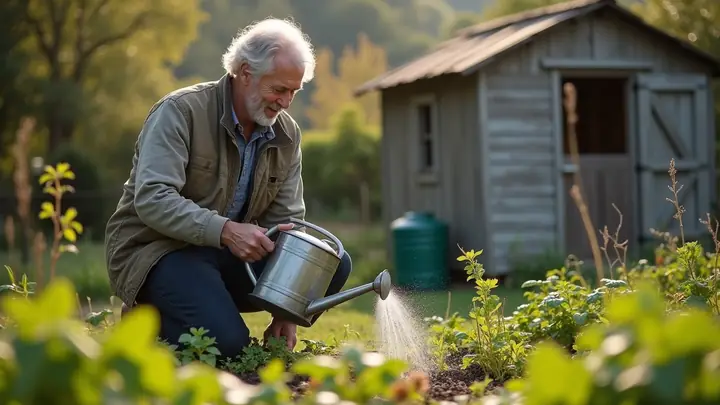
Water plants early in the morning or in the evening, when less water evaporates. Water the roots rather than the leaves, and water deeply but less often to encourage deeper roots. Mulch around plants helps soil hold moisture.
Consider plants suited to your local climate, which usually need less watering once established. Collecting rainwater for the garden can also help, but check local rules first, since some places regulate rainwater collection. Use a bucket and sponge to wash a car rather than a running hose.
Low-cost upgrades compared
Some changes are free, while others need a small outlay. This table gives a general guide:
| Change | Typical cost | Effort | Also saves energy? |
|---|---|---|---|
| Fix a dripping tap washer | Very low | Low | Yes, if hot tap |
| Repair a leaking toilet seal | Low | Low to medium | No |
| Fit tap aerators | Low | Low | Yes, for hot water |
| Install a low-flow showerhead | Low to moderate | Low | Yes |
| Shorter showers | Free | Habit change | Yes |
| Full loads only | Free | Habit change | Yes |
| Replace an old toilet | Moderate to high | Medium | No |
Start with the free and low-cost items. Leave larger replacements until an old fitting fails or you are renovating anyway.
Track your progress
Read your meter at the same time each week for a month to see your normal use. Then make a few changes and compare. Seeing the numbers drop makes it easier to keep going.
Some water providers show usage history on bills or online accounts. Comparing the same season year to year gives a fairer picture, since use often rises in hot weather.
The bottom line
Using less water starts with fixing leaks, then fitting cheap devices like aerators and efficient showerheads. Simple habits such as shorter showers and full loads cut both water and energy use. Check how your local provider charges for water, track your meter, and focus first on the changes that cost the least.
Frequently asked questions
How can I tell if I have a hidden water leak?
Turn off every tap and water-using appliance, then note the reading on your water meter. Wait an hour or two without using any water and check again. If the reading has moved, water is escaping somewhere, often from a toilet, pipe joint or outdoor line.
Does using less hot water also lower other bills?
Yes. Heating water takes energy, so shorter showers and cooler laundry washes reduce both your water use and the energy used by your water heater. The combined saving is often larger than the water saving alone.
Is it better to wash dishes by hand or in a dishwasher?
A modern dishwasher run with a full load often uses less water than washing the same dishes under a running tap. Hand washing can be efficient if you fill a basin rather than letting water run. Skip pre-rinsing and scrape plates instead.
Will water-saving fittings reduce water pressure?
Good-quality aerators and efficient showerheads mix air into the flow, so the spray still feels strong while using less water. Very old plumbing or low mains pressure can make the difference more noticeable, so try one fitting before changing them all.
Disclaimer: This guide is general information only and may not fit your situation or country. Rules, prices and requirements change, so check the details with the official source or a qualified professional before you act. Read our full disclaimer.