Home Inspection Checklist: What to Look For
A practical home inspection checklist covering structure, roof, water, wiring and safety, plus how to read the report and what to do with the results.
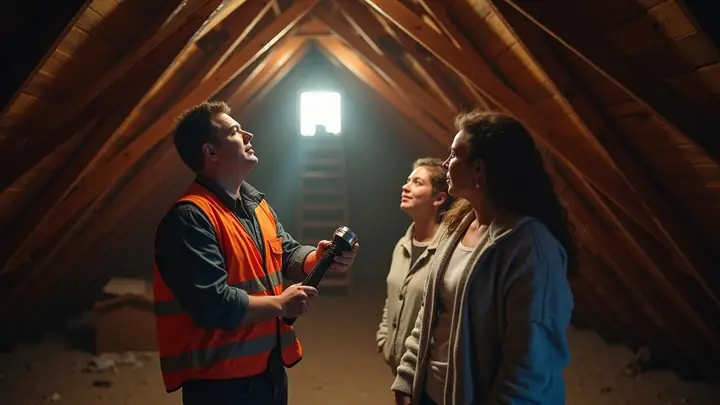
A home inspection tells you what condition a property is really in before you commit to buying it. The most important areas to check are the structure, roof, water and drainage, electrics, heating and cooling, and safety. Use a qualified inspector, attend if you can, and treat the report as a guide for negotiation and budgeting.
Why an inspection matters
A viewing shows you how a home looks. An inspection shows you how it works. Fresh paint can hide damp, and a tidy basement can hide a cracked foundation.
The report helps you decide three things: whether to buy, what to negotiate and what to budget for after you move in. Inspection rules and qualifications differ by place, so check what licensing or accreditation inspectors need where you live.
Choose an inspector who works for you rather than the seller, and ask what the inspection covers and excludes. Pools, septic systems and areas hidden behind walls are often left out. Attend if you can, because walking through with the inspector lets you ask questions, see problems in person and learn where the main water valve and electrical panel are.
Structure, roof and exterior
Structural problems are among the most expensive to fix, so start here.
- Large or growing cracks in walls, especially diagonal ones near doors and windows
- Doors and windows that stick or will not close properly
- Sloping or bouncy floors
- Cracks or crumbling in the foundation or basement walls
- Signs of past repairs that look rushed or uneven
Hairline cracks in plaster are common and often harmless. Wide cracks, or cracks that return after repair, may need a structural engineer.
Look at the roof from the ground and, if safe, ask the inspector about the attic or roof space. Missing tiles, sagging lines and stained ceilings all suggest problems. Ask roughly how old the roof covering is and how long it may last.
Outside, check gutters, downpipes and drainage. Water should flow away from the building, not towards it. Walk around the walls for cracks, flaking paint, rot in timber and gaps around windows.
For a flat or apartment, ask about the condition of shared parts such as the roof, lifts and stairwells. Owners often share the cost of repairing them, so a neglected building can mean large future bills.
Water, damp and plumbing
Water causes slow, hidden damage, so this section deserves time. Look and smell for damp in corners, under sinks and in basements. Mould, peeling wallpaper and tide marks are warning signs.
Run taps and flush toilets to check water pressure and drainage speed. Ask about the age and material of the pipes and the water heater. Very old pipes and heaters may need replacing soon. Run the hot water for a few minutes and watch for rust-coloured water, which can point to ageing pipes.
Electrics, heating and safety
Faulty wiring is a safety risk as well as a cost. The inspector should check the main electrical panel, sockets and any signs of overheating or amateur work. Ask whether the wiring is old enough to need upgrading. Too few sockets, with extension leads in every room, can also hint at a system that no longer meets modern needs.
Heating, cooling and ventilation systems should be tested too. Check their age, service history and whether they work in every room. Also confirm that smoke alarms, and carbon monoxide alarms where fuel-burning appliances exist, are fitted and working.
Quick inspection checklist
Use this table to follow along on the day and note what needs a closer look.
| Area | What to check | Possible next step |
|---|---|---|
| Structure | Cracks, sloping floors, sticking doors | Structural engineer |
| Roof | Missing tiles, sagging, ceiling stains | Roofer quote |
| Damp | Mould, smells, tide marks | Damp specialist |
| Plumbing | Pressure, leaks, pipe age | Plumber quote |
| Electrics | Panel age, sockets, scorch marks | Licensed electrician |
| Heating and cooling | Age, service record, function | Service or replacement quote |
| Pests | Droppings, damaged timber, nests | Pest inspection |
| Safety | Smoke and CO alarms, railings, stairs | Fit or repair before moving in |
Using the report
Every home has some issues, so do not panic at a long report. Sort findings into three groups: urgent safety issues, expensive repairs and minor maintenance.
- Get quotes for major items so you know the real cost.
- Ask the seller to fix, reduce the price or offer a credit, where local practice allows.
- Walk away if the problems or the unknowns are too large for your budget.
Check your purchase contract for any inspection deadline. In many places, you only have a short window to raise issues or withdraw.
The bottom line
A home inspection is one of the best ways to avoid expensive surprises. Focus on structure, roof, water, electrics and safety, attend in person and ask for specialists when the inspector suggests it. Rules on inspections and contract deadlines vary, so confirm the local process with your conveyancer, lawyer or agent before you sign anything binding.
Frequently asked questions
Do I need a professional inspection if the home looks fine?
Usually yes. Many costly problems, such as hidden leaks, faulty wiring or foundation movement, are not visible on a short viewing. An inspection is a small cost compared with a major repair.
How long does a home inspection take?
It depends on the size and age of the property. A typical home inspection takes a few hours, and larger or older homes can take longer.
Can a home fail an inspection?
An inspection is not usually a pass-or-fail test. It is a report on the condition of the home, and you decide what the findings mean for your purchase.
What if the inspector recommends a specialist?
Take it seriously. Inspectors often flag issues like possible structural movement, pests or electrical faults for a specialist to assess before you commit.
Disclaimer: This guide is general information, not financial advice. Rates, fees, rules and products differ by country and provider and change over time. Check the current terms with the provider, and consider a qualified, licensed adviser before you make a financial decision. Read our full disclaimer.